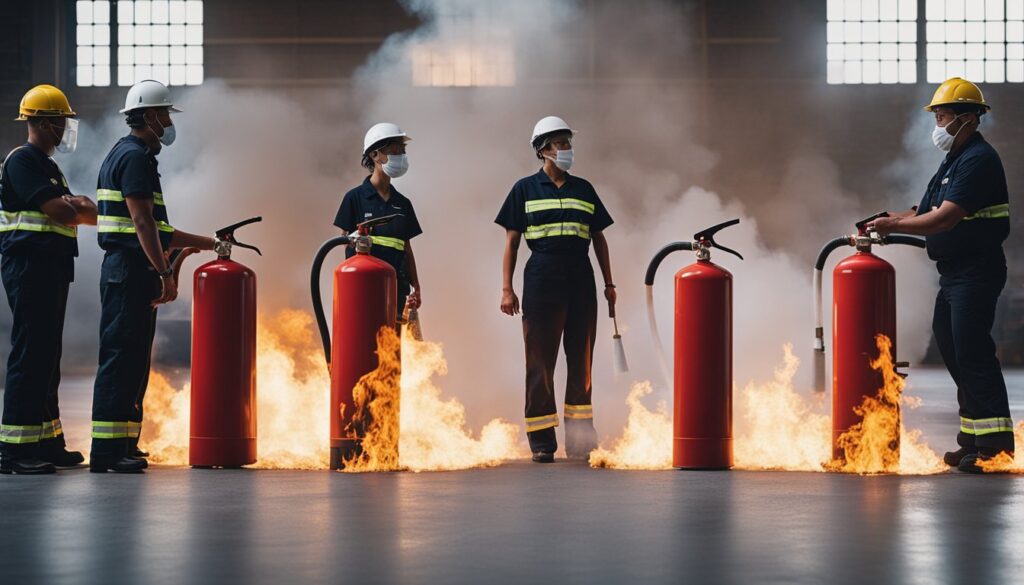
Fire Extinguisher Training: Essential Skills for Workplace Safety
Fire extinguisher training is a crucial part of workplace safety. Knowing how to use a fire extinguisher properly can make the difference between a small incident and a major disaster. Fire extinguisher training teaches you how to operate these devices effectively and comply with safety standards.
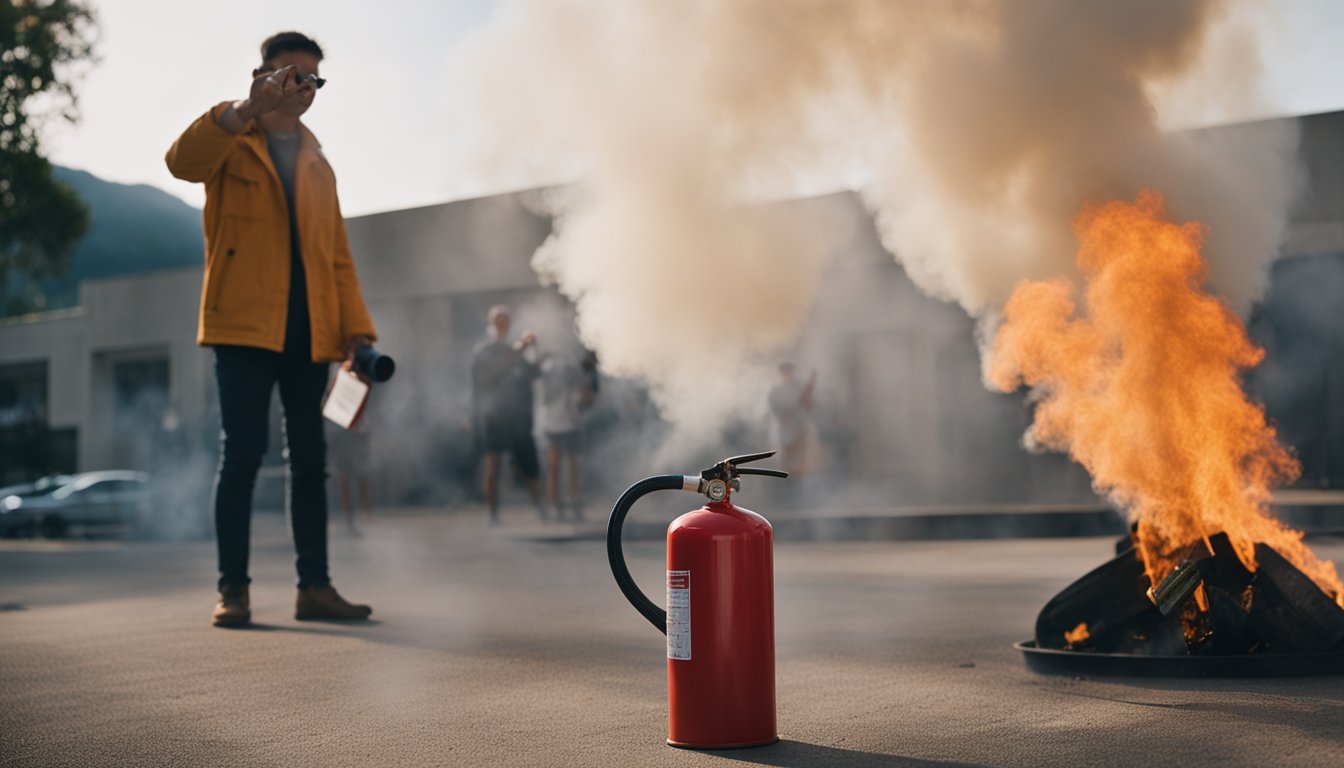
You’ll learn about different types of fires and extinguishers, as well as when and how to use them. This knowledge helps you prevent fires and respond quickly if one occurs. Training covers fire facts, hazard spotting, and emergency response.
The skills you gain from fire extinguisher training can save lives and property. You’ll feel more confident handling small fires and knowing when to evacuate. This training is often required for workplace safety plans and can benefit anyone, whether at work or at home.
Understanding Fire Basics
Fire safety begins with knowing how fires start and spread. Learning about different types of fires helps you choose the right way to put them out.
The Fire Triangle and Prevention
The fire triangle shows what a fire needs to burn. It has three parts: fuel, heat, and oxygen. Take away any one part, and the fire goes out. Fuel can be wood, paper, or gas. Heat comes from sparks or hot surfaces. Oxygen is in the air around us.
To stop fires, focus on these three things. Keep fuel away from heat sources. Store flammable items safely. Check for fire hazards like frayed wires or overloaded outlets. Cool hot areas and block oxygen to smother flames.
Good housekeeping helps too. Keep work areas clean and tidy. Don’t let trash pile up. Fix leaks that could spread fuel. By controlling these elements, you can prevent many fires before they start.
Classes of Fires
Fires are grouped into classes based on what’s burning. This helps pick the right way to put them out. There are five main classes: A, B, C, D, and K.
Class A fires burn ordinary materials like wood, paper, and cloth. Water works well on these. Class B fires involve flammable liquids such as oil or gasoline. Use foam or dry chemicals, not water.
Class C fires are electrical. Never use water – it conducts electricity. Use carbon dioxide or dry chemical extinguishers. Class D fires involve metals like magnesium. They need special dry powder extinguishers.
Class K fires happen in kitchens with cooking oils. Use a special wet chemical extinguisher. Knowing these classes helps you choose the right tool to fight a fire safely.
Fire Extinguisher Types and Uses
Fire extinguishers come in different types to handle various fire classes. Knowing which one to use and how to operate it can make a big difference in an emergency.
Types of Fire Extinguishers
Fire extinguishers are designed for specific fire classes. Class A extinguishers work on ordinary combustibles like wood and paper. Class B handles flammable liquids. Class C is for electrical fires. Class D tackles combustible metals. Class K extinguishers are for kitchen fires.
Water extinguishers are good for Class A fires. They cool burning materials. Don’t use them on electrical fires.
Dry chemical extinguishers are versatile. They work on Class A, B, and C fires. They smother the flames with powder.
Carbon dioxide (CO2) extinguishers are best for Class B and C fires. They remove oxygen from the fire area.
Selecting the Correct Extinguisher
Choosing the right extinguisher is crucial. Look at the fire risk in each area of your workplace or home.
For offices, a multipurpose ABC dry chemical extinguisher is often a good choice. It can handle most common fire types.
In kitchens, use a Class K extinguisher for cooking oil fires. These contain special agents to deal with hot oils.
For electrical equipment areas, CO2 or dry chemical extinguishers are best. They don’t leave residue that can damage sensitive equipment.
Always check the extinguisher’s label. It will show which fire classes it can handle.
Extinguishing Agents
Different extinguishing agents are used in fire extinguishers. Each works in a specific way to put out fires.
Water cools burning materials. It’s effective on Class A fires but dangerous on electrical fires.
Foam smothers the fire and seals in vapors. It’s good for Class A and B fires.
Dry chemicals interrupt the chemical reaction of the fire. They work on multiple fire classes.
Carbon dioxide removes oxygen from the fire area. It’s clean and leaves no residue.
Wet chemicals are specially designed for kitchen fires. They form a soapy foam to cool and smother the fire.
Always read the label to know which agent your extinguisher contains. This helps you use it safely and effectively.
Operational Training

Fire extinguisher training teaches you key skills to handle fires safely. You’ll learn proper techniques, maintenance, and how to use equipment effectively.
Using a Fire Extinguisher
To use a fire extinguisher, remember the PASS method:
- Pull the pin
- Aim low at the base of the fire
- Squeeze the handle
- Sweep from side to side
Stand 6-8 feet away from the fire. Keep your back to an exit for a quick escape if needed. Always ensure your own safety first.
Different types of fires require specific extinguishers. Class A is for ordinary combustibles, Class B for flammable liquids, Class C for electrical fires, and Class D for metal fires.
Never use water on electrical or grease fires. It can spread the flames or cause electrocution.
Maintenance and Inspection
Regular checks keep extinguishers ready for action. Monthly visual inspections should include:
- Checking the pressure gauge
- Ensuring the pin and tamper seal are intact
- Looking for signs of damage or corrosion
Replace extinguishers if they’re damaged or have low pressure. Recharge them after any use, even if only partially discharged.
Annual professional inspections are crucial. They involve a thorough check of all components and recharging if needed.
Keep extinguishers in easily accessible locations. Mark their positions clearly with signs.
Hose and Nozzle Techniques
Proper hose and nozzle handling improves fire-fighting effectiveness. Hold the hose firmly with both hands, about 2 feet apart.
For best coverage, use a side-to-side sweeping motion. Start at the near edge of the fire and move forward as it’s extinguished.
Adjust your grip if using a CO2 extinguisher. The discharge can be very cold and may damage skin on contact.
For larger fires, work in teams. One person can operate the extinguisher while another manages the hose.
Practice aiming techniques regularly. Use training props to simulate different fire scenarios and improve your accuracy.
Safety and Compliance

Fire extinguisher training plays a crucial role in workplace safety and legal compliance. It helps protect employees and property while meeting regulatory requirements.
Workplace Safety Standards
Fire extinguisher training is a key part of workplace safety programs. You need to know how to use extinguishers correctly to stop small fires from growing. This training covers fire types, extinguisher classes, and proper use techniques.
In Canada, the Ontario Fire Code sets rules for fire safety in buildings. It requires regular extinguisher checks and staff training. You must learn about fire risks in your workplace and how to respond.
OSHA also has rules for fire safety training in workplaces. These include learning about fire hazards, alarm systems, and evacuation plans. Proper training can reduce fire injuries by up to 60%.
Legislation and Certification
Canadian law requires employers to provide fire safety training. This includes teaching you how to use extinguishers safely and effectively. The training must cover the types of fires you might face at work.
Certification programs are available to prove you’ve completed proper training. These often involve both online learning and hands-on practice. Many jobs require this certification, especially in high-risk industries.
Ontario’s Occupational Health and Safety Act mandates fire safety measures. This includes having the right extinguishers and training staff to use them. Failing to comply can lead to fines or legal action.
Regular refresher courses are important. Fire safety rules and best practices can change. Staying up-to-date helps you protect yourself and others at work.
Training Programs and Certification
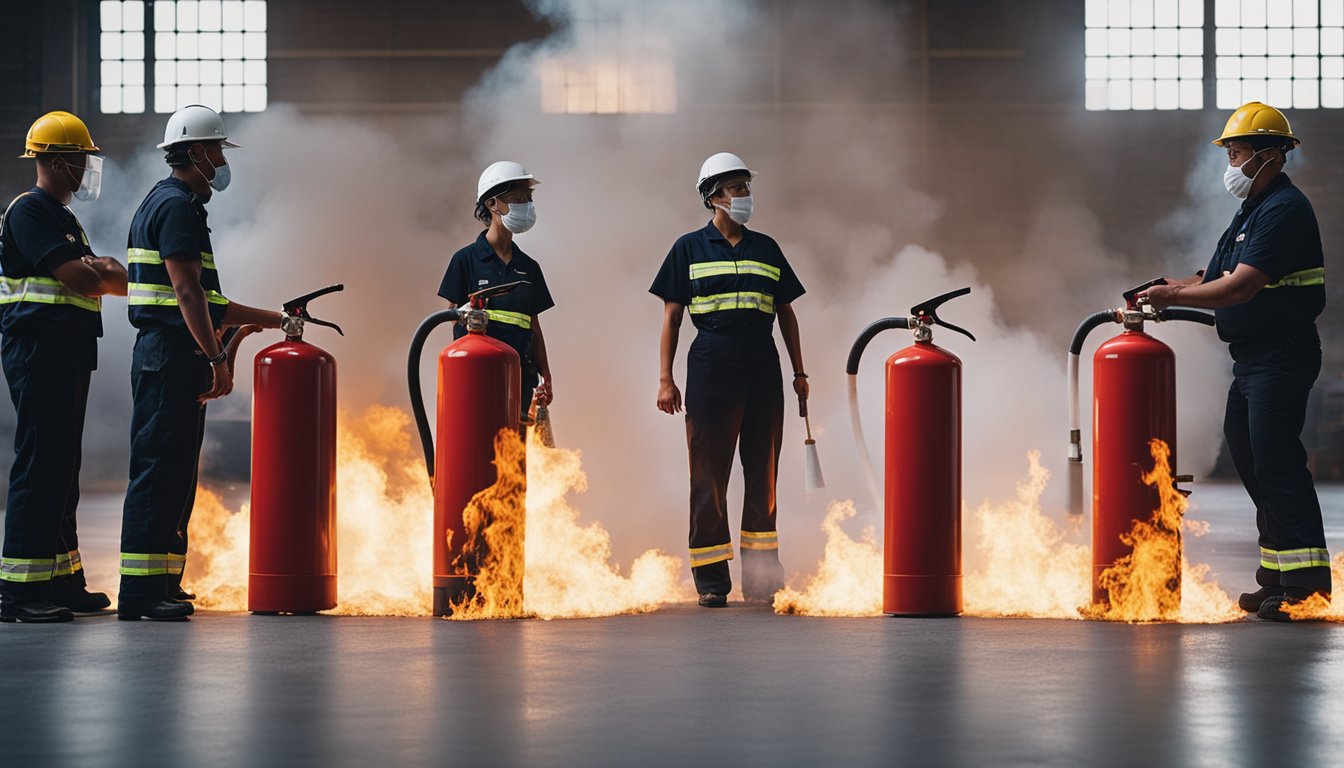
Fire extinguisher training programs help you learn how to use these important safety devices. They cover different types of fires and extinguishers, proper techniques, and safety procedures.
Fire Extinguisher Training Courses
Fire extinguisher training courses teach you how to handle small fires safely. You’ll learn about fire classes and matching extinguisher types. The courses cover proper use techniques and maintenance tips.
Hands-on practice is a key part of many programs. You’ll get to use real extinguishers on controlled fires. This builds confidence and muscle memory for emergencies.
Most courses take 2-4 hours to complete. They often include both classroom learning and practical exercises. At the end, you’ll take a test to earn your certificate.
Online Learning and Certification Paths
Online fire extinguisher training offers a flexible way to get certified. You can learn at your own pace from any location. These courses use videos, quizzes, and simulations to teach key skills.
Many online programs use a learning management system. This tracks your progress and stores your certificate. You can usually finish the training in 1-2 hours.
Some courses offer a blend of online and in-person training. You complete the theory portion online, then do hands-on practice later. This approach saves time while still providing practical experience.
Frequently Asked Questions
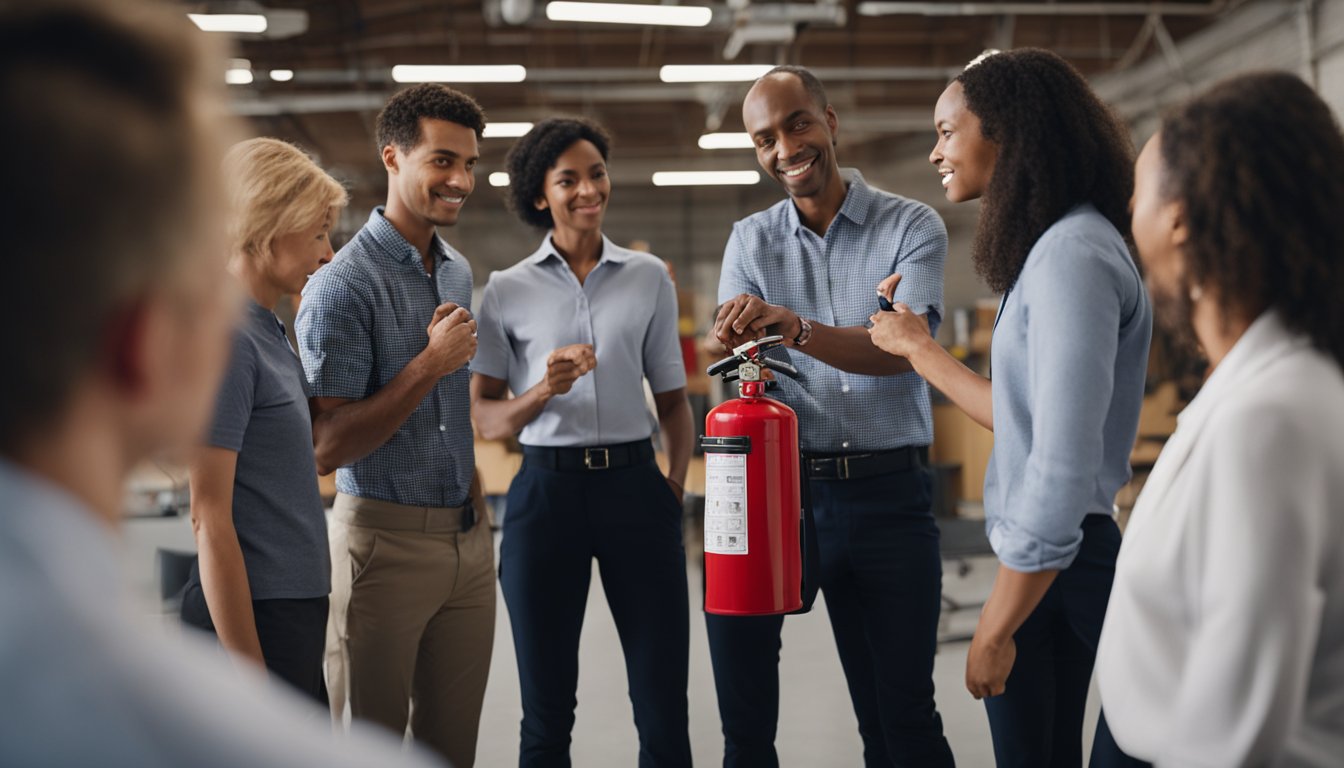
Fire extinguisher training is crucial for workplace safety. It helps employees learn proper usage techniques and legal requirements. Here are some common questions about this important topic.
How can I access free fire extinguisher training?
Many websites offer free basic fire extinguisher training videos. You can also check with your local fire department. They often provide free community workshops on fire safety and extinguisher use.
What are the legal requirements for fire extinguisher training in the workplace?
Employees who may need to use a fire extinguisher must receive training. Building owners and property managers are also required to have this knowledge. The exact rules can vary, so check your local regulations.
Can fire extinguisher training be completed entirely online?
Yes, many online courses cover fire extinguisher basics. But hands-on practice is very important. It’s best to combine online learning with in-person training if possible.
What steps should be followed when using a fire extinguisher effectively?
The PASS technique is key:
- Pull the pin
- Aim at the base of the fire
- Squeeze the handle
- Sweep from side to side
This method helps you use the extinguisher correctly and safely.
Are there certified programs that offer a free online fire extinguisher training with a certificate?
Some organizations offer free online training with certificates. But most certified programs charge a fee. Check with professional safety organizations or fire equipment suppliers for options.
What resources are provided in fire extinguisher training to ensure proper usage?
Good training programs usually include:
- Videos showing proper techniques
- Information on different types of fires and extinguishers
- Practice with dummy extinguishers
- Safety guidelines for various situations
These resources help you feel confident using an extinguisher in an emergency.