It’s Not Gross, It’s Common. Understanding Toe Fungus Risk Factors and Prevention
Toe fungus affects millions of people worldwide and plenty of folks here in London, Ontario…It can turn your nails thick, yellow, and crumbly. This common condition develops when fungi find their way into your toenails and begin to grow in the warm, moist environment your feet provide.
Understanding what causes toe fungus helps you take the right steps to prevent it from happening to you. The fungus gets inside your nails when cracks in your nail or surrounding skin allow these microscopic organisms to enter and multiply. Once you know the main ways this infection spreads, you can protect your feet and keep your nails healthy.
1) Fungal infection entering through cracks in the nail or surrounding skin
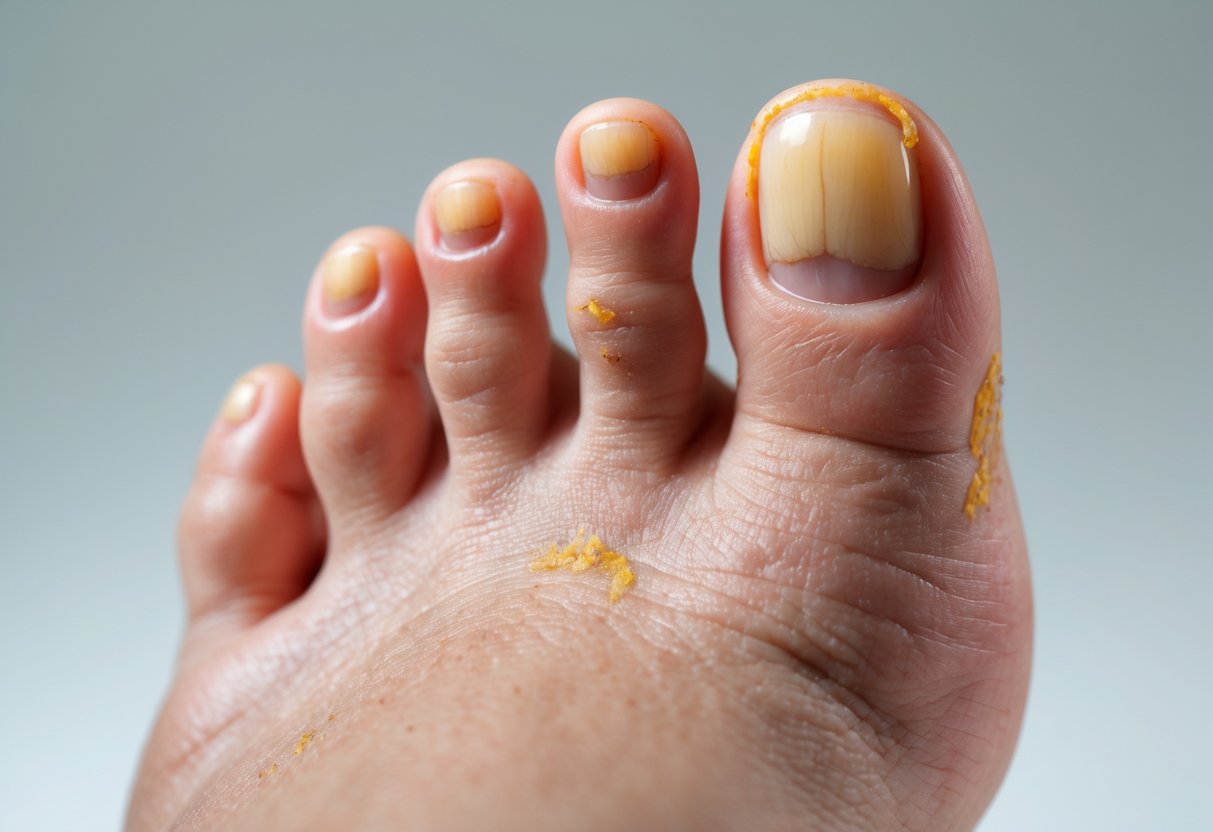
Fungal nail infections begin when tiny organisms find their way into your nails. These fungi live naturally in the environment around you.
Your nails and skin develop small cracks over time. Fungi enter through these tiny openings in your nail or the skin near your toenails.
The cracks can be so small that you cannot see them with your eyes. Even these microscopic openings give fungi enough space to get inside.
Once fungi get through these entry points, they start to grow and spread. The warm, moist area inside your shoes creates the perfect place for them to multiply.
Your toenails are more likely to get infected than your fingernails. This happens because your feet spend more time in dark, damp conditions inside shoes and socks.
The infection can affect the nail plate, nail bed, and surrounding skin tissue. What starts as fungi entering small cracks can spread to larger areas of your toe.
The fungi that cause these infections are the same ones that create athlete’s foot and other skin problems.
2) Exposure to moist, warm environments like public showers and locker rooms

Fungal infections thrive in warm, moist environments like public pools, locker rooms, and communal showers. These conditions create the perfect breeding ground for the fungi that cause toe infections.
When you walk barefoot in these areas, you risk picking up fungus from contaminated surfaces. The microscopic organisms can easily transfer from floors, benches, and other surfaces to your feet.
Public swimming pools and gym facilities harbour these fungi because many people use these spaces daily. Each person can potentially leave behind fungal spores that infect others.
Your feet are especially vulnerable in these environments. The combination of moisture, warmth, and direct skin contact with infected surfaces increases your chances of developing toe fungus.
Shared towels and footwear in these spaces also spread the infection. The fungus can survive on fabric and other materials, waiting to infect the next person who uses them.
The infection often starts between your toes where moisture gets trapped. From there, it can spread to your toenails and other parts of your foot if left untreated.
3) Contact with contaminated objects such as unwashed towels and nail grooming tools
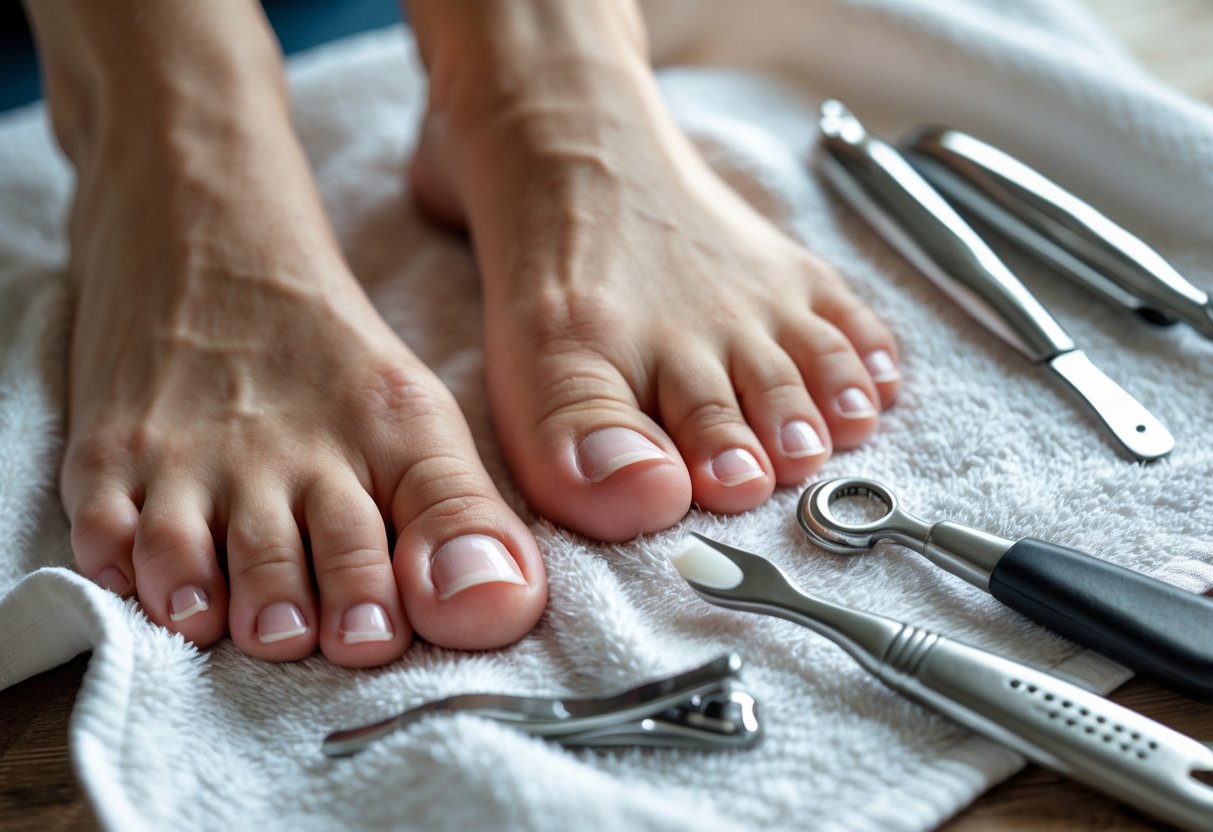
You can easily catch toe fungus in London by touching items that infected people have used. Fungi thrive on everyday objects like unwashed shower floors, nail-grooming tools, and towels.
Shared towels pose a major risk. When someone with toe fungus uses a towel, the fungi transfer to the fabric. If you use that same towel, the fungi can move to your feet and toes.
Nail grooming tools carry fungi between users too. Clippers, files, and scissors that touch infected nails become contaminated. Using these tools without proper cleaning spreads the infection to your nails.
Contaminated surfaces and objects act like bridges for fungal transmission. The fungi survive on these items and wait for the next person to touch them.
Public places increase your exposure risk. Gym towels, salon equipment, and shared bathroom items often harbor toe fungus. Even items that look clean can carry invisible fungi.
You should never share personal nail care items. Always use your own tools and towels to protect yourself from fungal infections.
4) Wearing tight, non-breathable shoes that trap moisture
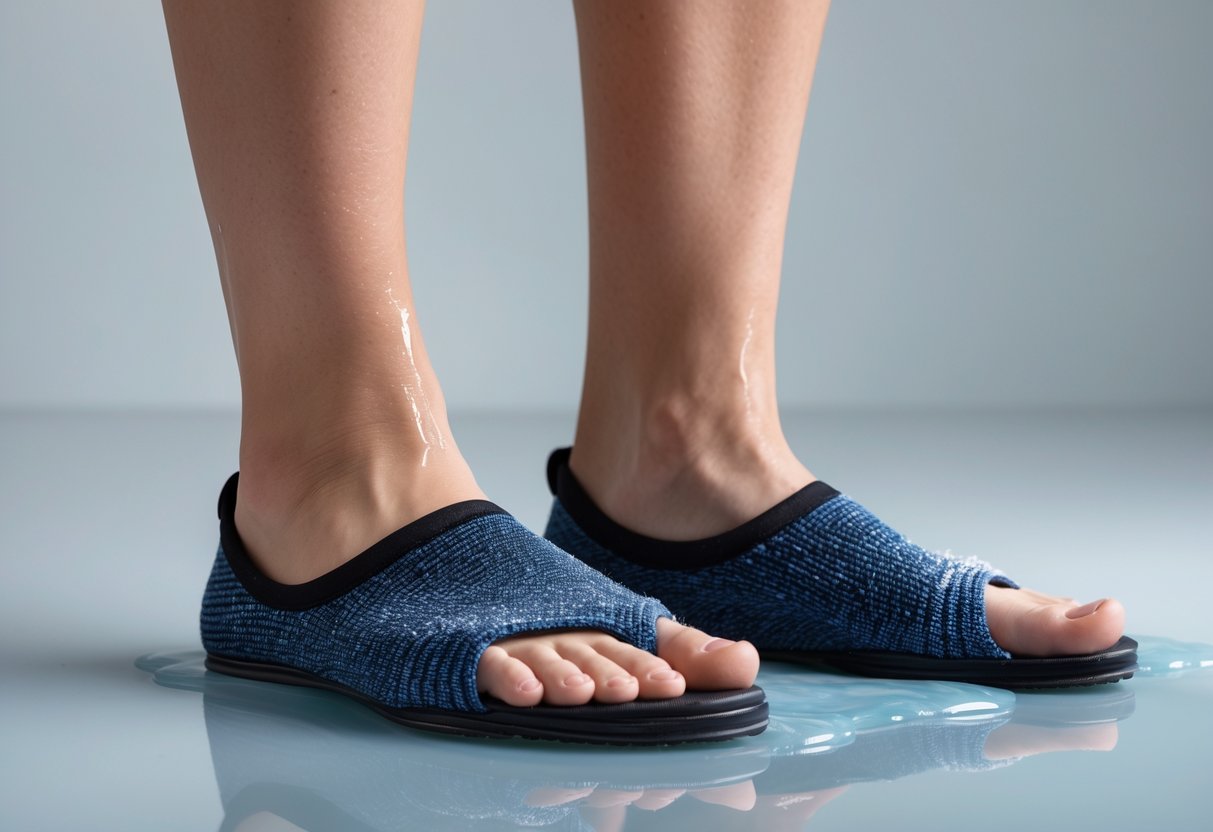
Your choice of footwear plays a major role in developing toe fungus. Tight shoes or non-breathable materials create the perfect conditions for fungal infections to start and spread.
When you wear shoes that fit too tightly, air cannot flow around your feet properly. This creates a warm, moist space where fungi love to grow.
Synthetic materials trap moisture more than natural options like leather or canvas. Rubber and plastic shoes are especially bad for trapping sweat and heat against your skin.
Your feet naturally sweat throughout the day. If that moisture cannot escape through your shoes, it builds up around your toenails and creates an ideal breeding ground for fungus.
Closed-toe shoes made of non-breathable materials are the worst offenders. They prevent air circulation and keep moisture locked in place for hours.
This trapped moisture combined with the warmth from your body temperature gives fungus everything it needs to multiply quickly on your toenails.
How Toe Fungus Develops
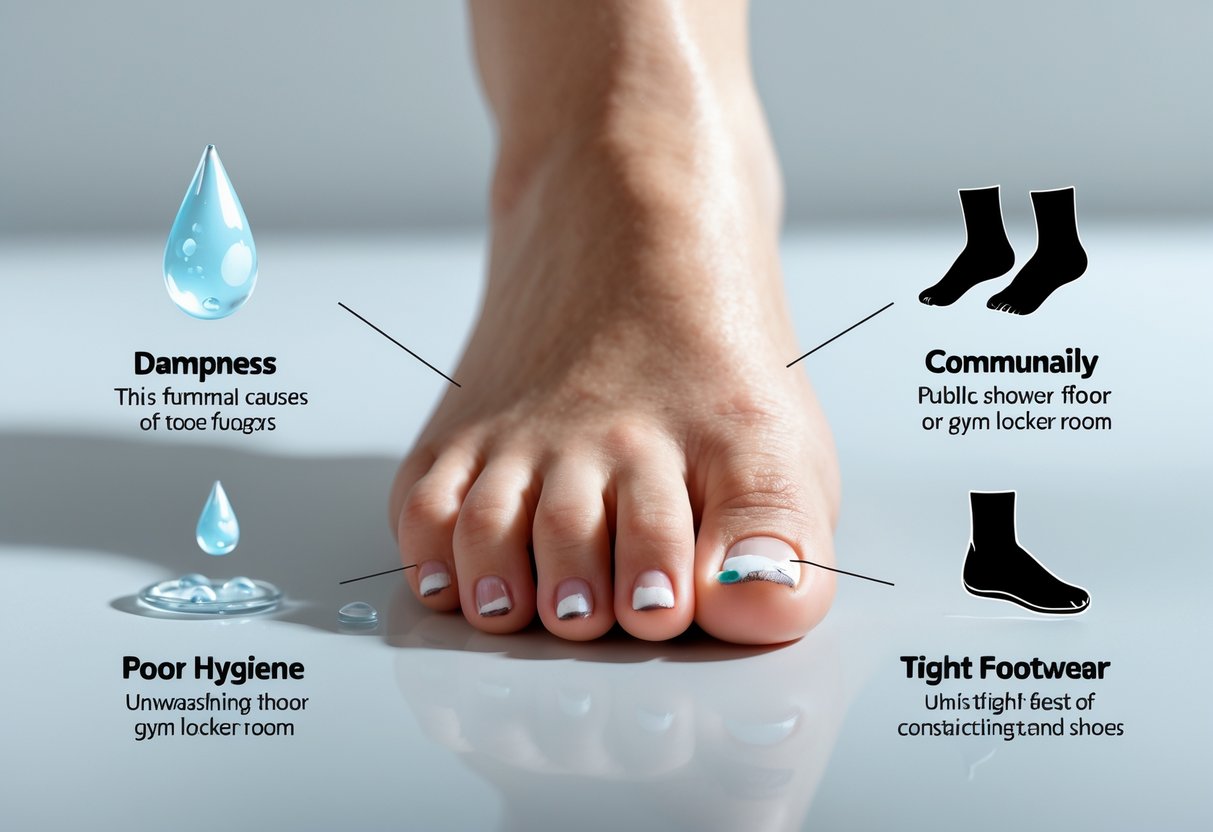
Toe fungus develops when microscopic organisms invade your nail through direct contact with infected surfaces or through small breaks in your skin. Your risk increases significantly when your feet remain in warm, moist environments for extended periods.
Transmission Pathways
Toenail fungus is extremely contagious and spreads through several common pathways. You can contract the infection by walking barefoot in contaminated public areas.
Swimming pools, gym locker rooms, and communal showers harbor fungal spores that easily transfer to your feet. The warm, wet surfaces in these locations create perfect breeding grounds for fungi.
You can also develop toe fungus through direct contact with infected individuals. Sharing shoes, socks, or towels with someone who has the infection puts you at immediate risk.
The fungus typically enters at the nail’s free edge and spreads toward the base. Small cuts or injuries around your nails provide easy entry points for fungal organisms.
Contaminated nail care tools can transfer spores between people. Using unsterilized equipment at nail salons increases your exposure risk significantly.
Risk Factors
Several conditions make you more likely to develop toe fungus. Having diabetes, blood flow problems, or a weakened immune system dramatically increases your susceptibility.
Your footwear choices directly impact your infection risk. Tight shoes that don’t allow air circulation trap moisture against your skin.
When your feet stay wet or sweaty for long periods, you create ideal conditions for fungal growth. Wearing the same shoes daily without proper drying time maintains this problematic environment.
Age plays a significant role in toe fungus development. Older adults experience slower nail growth and reduced blood circulation, making infections more likely.
Previous nail injuries or damage create vulnerable spots where fungi can establish infections. Athletes who experience repetitive foot trauma face elevated risks.
Existing skin conditions like athlete’s foot often spread to your toenails. Having athlete’s foot significantly increases your chances of developing nail fungus.
Preventive Measures for Toe Fungus in London, ON
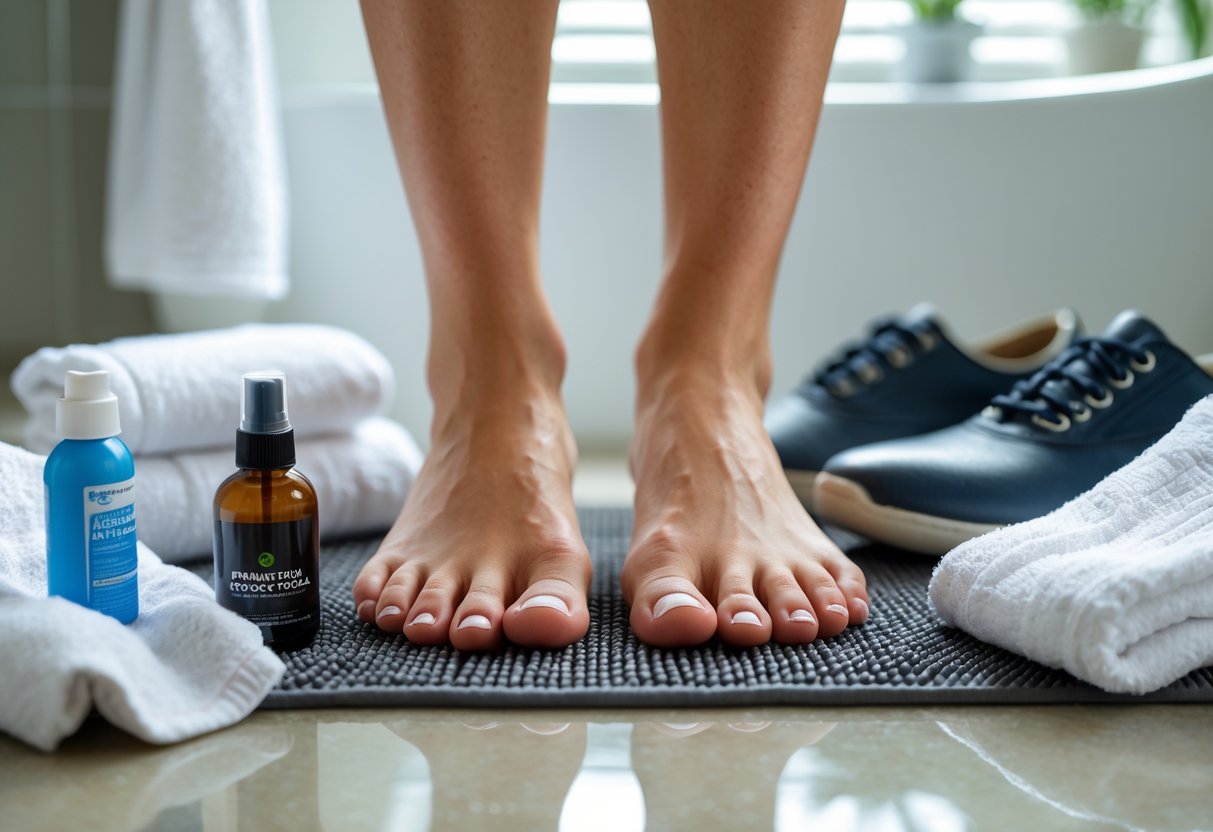
Good foot hygiene and smart environmental choices are your best defense against toe fungus infections. These simple daily habits can significantly reduce your risk of developing this common condition.
Foot Hygiene Best Practices
Wash your feet daily with soap and water, paying special attention to the areas between your toes. Dry your feet completely after washing, especially between the toes where moisture can get trapped.
Change your socks daily and choose moisture-wicking materials like cotton or synthetic blends. If your feet sweat heavily, consider changing socks twice per day.
Trim your toenails straight across and keep them short. Avoid cutting too close to the skin, which can create small wounds where fungi can enter.
Use anti-fungal powder on your feet and inside your shoes if you’re prone to sweating. This helps keep your feet dry throughout the day.
Never share personal items like nail clippers, files, or towels with others. Toenail fungus infections can transfer from person to person, so keeping your foot care tools separate is important.
Environmental Considerations
Wear shoes that fit properly and allow your feet to breathe. Tight or non-breathable shoes can create an environment conducive to fungal growth.
Choose shoes made from leather or other breathable materials rather than synthetic options that trap moisture.
Always wear protective footwear in public areas where fungi thrive. This includes gym locker rooms, public pools, showers, and spa areas.
Alternate your shoes daily to allow them to dry out completely between wears. Consider using shoe trees or newspaper to help absorb moisture.
Clean and disinfect your shoes regularly, especially if you’ve had a fungal infection before. Antifungal sprays designed for shoes can help eliminate lingering spores.
Keep your feet exposed to air when possible at home. Going barefoot indoors allows your feet to stay dry and reduces fungal growth opportunities.
Toe Fungus Clinic Help London Ontario
When you need extra help to treat your toe fungus, foot clinics like London’s Complete Foot Care Clinic can be just the help you need. Contact Jess & Lisa to get to the front of the line today.