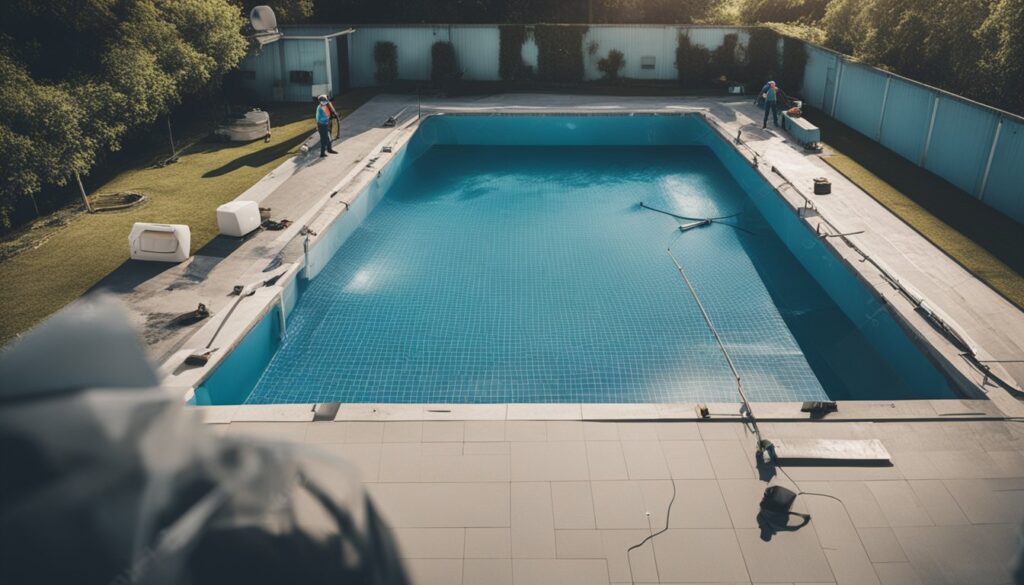
Is your pool liner starting to look worn out?
It might be time for a new liner. Pool liners don’t last forever, and replacing them can give your pool and backyard a fresh look.
In-ground pool liner replacement typically costs between $3800 and $6000. The price depends on your pool’s size and shape, as well as the type of liner you choose. While it may seem expensive, a new liner can make your pool look brand new and prevent costly water damage.
Most pool liners last about 15 years before needing replacement, so you usually get a good life out of it. When you notice fading, cracking, or leaks, it’s time to start shopping for a new one. You’ll find many patterns and colours to choose from, allowing you to update your pool’s style. With proper installation, your new liner can provide years of worry-free swimming enjoyment.
Awesome pool supply and service companies like Hometown Pool & Spa in Tillsonburg are great at measuring and installing replacement pool liners for in ground pools.
Understanding Pool Liners
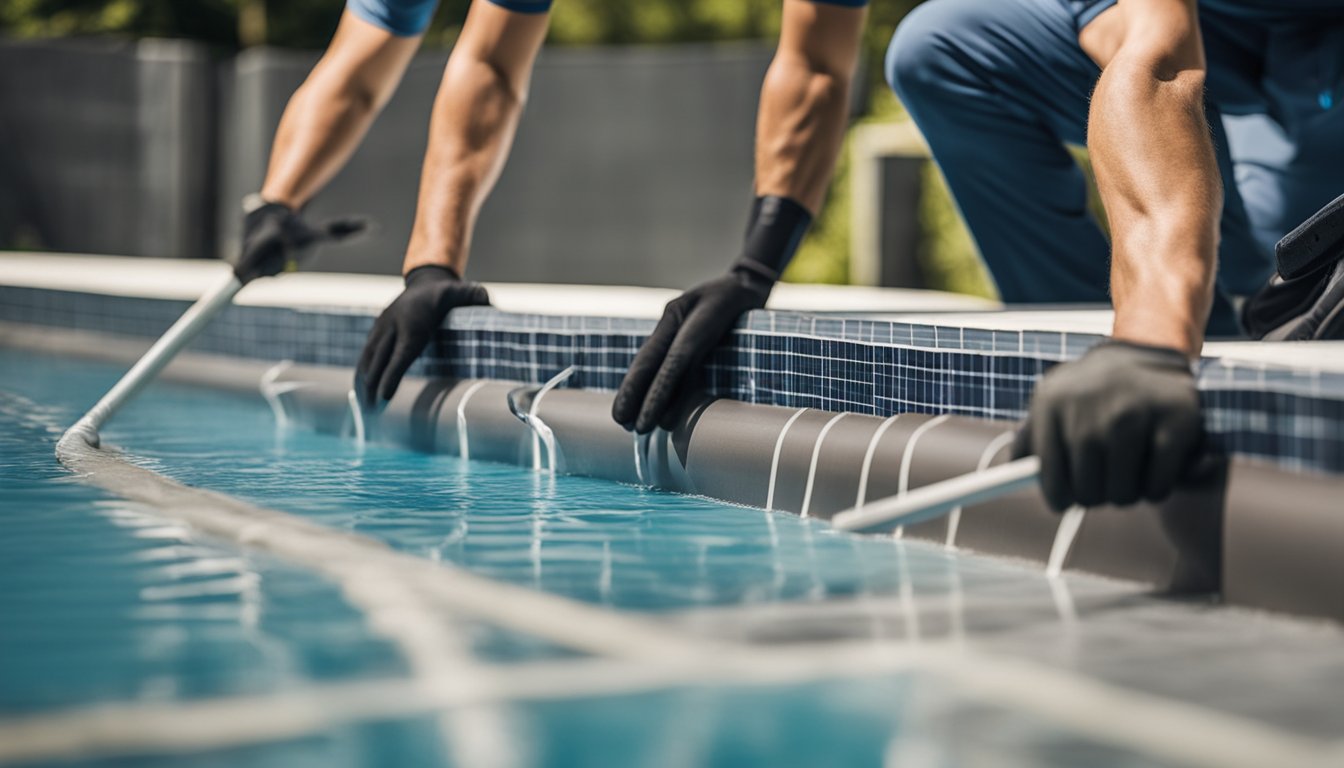
Pool liners play a key role in keeping your pool water contained and looking great. They come in different types and can show signs of wear over time.
Types of Pool Liners
Vinyl pool liners are the most common for in-ground and above ground pools. They come in various thicknesses, usually between 20 and 30 mil. Thicker liners tend to last longer but cost more.
For in-ground pools, you’ll find three main types:
- Overlap liners: Hang over the pool edge and are held in place by coping.
- Beaded liners: Have a track that snaps into a bead receiver.
- Unibead or J-hook liners: Can be used as either overlap or beaded.
Above ground pool liners typically come in two styles:
- Overlap: Fold over the top of the pool wall
- Beaded: Snap into a track on the pool wall
Vinyl pool liners offer many pattern and colour options to suit your style.
Signs of Liner Wear and Tear
Your pool liner won’t last forever. Here are some signs it might need replacement:
- Fading or bleaching of the liner color
- Cracks or tears, especially around steps or corners
- Stretching or wrinkling of the liner material
- Water loss that can’t be explained by evaporation
- Stains or discoloration that won’t come off with cleaning
If you notice the liner pulling away from the walls or falling out of the track, it’s time to consider a replacement. Ignoring these signs can lead to bigger problems like leaks or damage to your pool structure.
Regular maintenance and proper chemical balance can help your liner last longer. Most pool liners need replacement every 5-9 years, depending on care and usage.
Preparing for Replacement
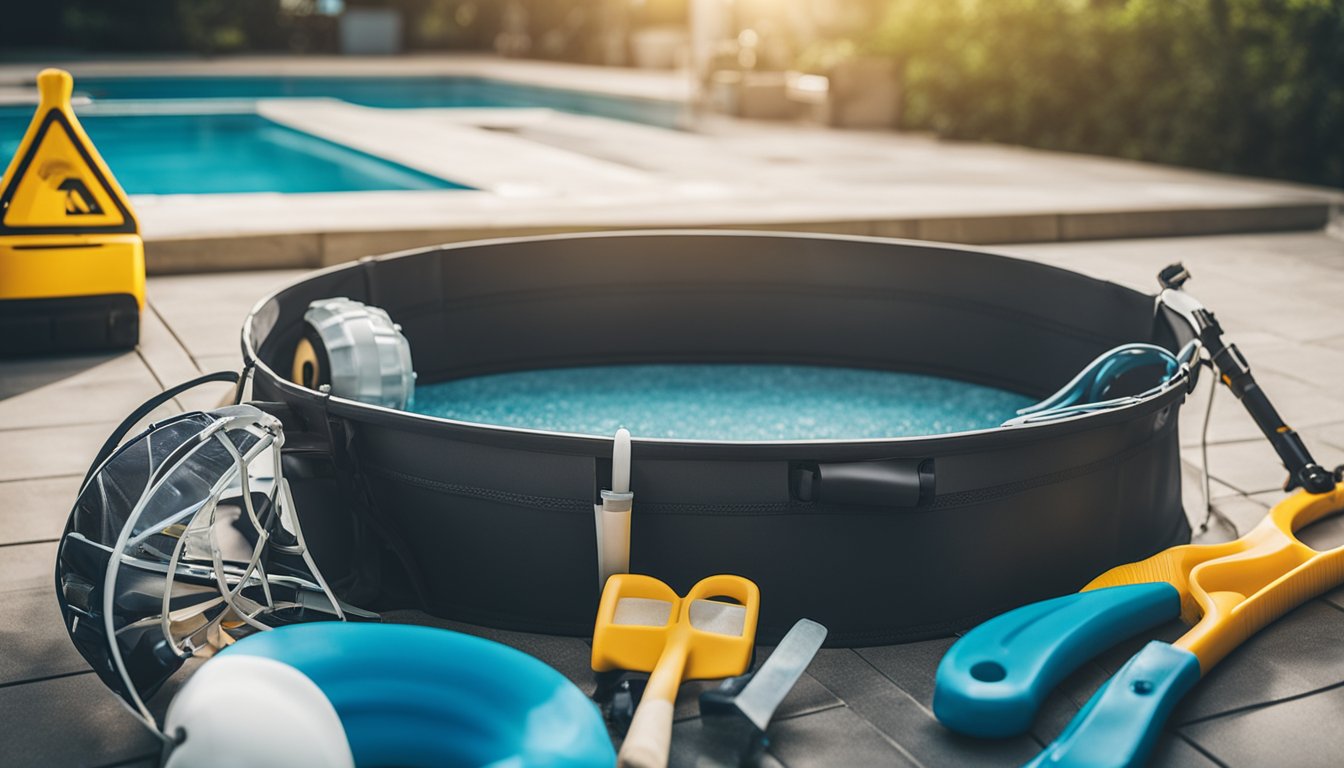
Getting ready for an inground pool liner replacement takes some planning. You’ll need to measure your pool, pick a new liner, and figure out your budget. Let’s look at each step.
Measuring Your Pool
Accurate measurements are key for a perfect fit. You’ll need to measure:
- Length and width at several points
- Depth at shallow and deep ends
- Wall height from floor to top rail
- Steps, benches, and other features
Precise measurements help ensure your new liner fits snugly. It’s best to measure twice to avoid mistakes. You can use a tape measure, but a laser measure tool gives more exact results.
Make a sketch of your pool shape. Note any special features like corners, steps, or dive wells. This will help when ordering your new liner.
Choosing a New Liner
Picking a new liner is fun! You have lots of options:
- Colors: Light blues, dark blues, grays, tans
- Patterns: Solid, marble, tile borders, mosaic
- Thickness: Usually 20-30 mil (thicker lasts longer)
Think about your backyard style. A light blue liner can make your pool look bigger and brighter. Darker colors add drama but may show wrinkles more.
Vinyl pool liners come in different qualities. Cheaper ones might last 5-7 years, while premium liners can go 15+ years. UV protection helps prevent fading.
Ask for samples to see how colors look in your yard. Remember, the water will change how the liner looks once installed.
Budgeting for Replacement
Pool liner replacement costs vary. Here’s what to plan for:
- Liner: $1,500 – $4,500
- Labor: $1,000 – $2,500
- Water to refill: $300 – $600
- Extra repairs: $0 – $1,000+
The total often ranges from $3,000 to $7,000 for inground pool replacement liners. Prices depend on pool size, liner quality, and any extra work needed.
Save money by:
- Doing some prep work yourself
- Comparing quotes from different installers
- Replacing in off-season (fall or early spring)
Don’t forget to budget for new water and chemicals. You might also need to update pool accessories to match your new look.
The Replacement Process
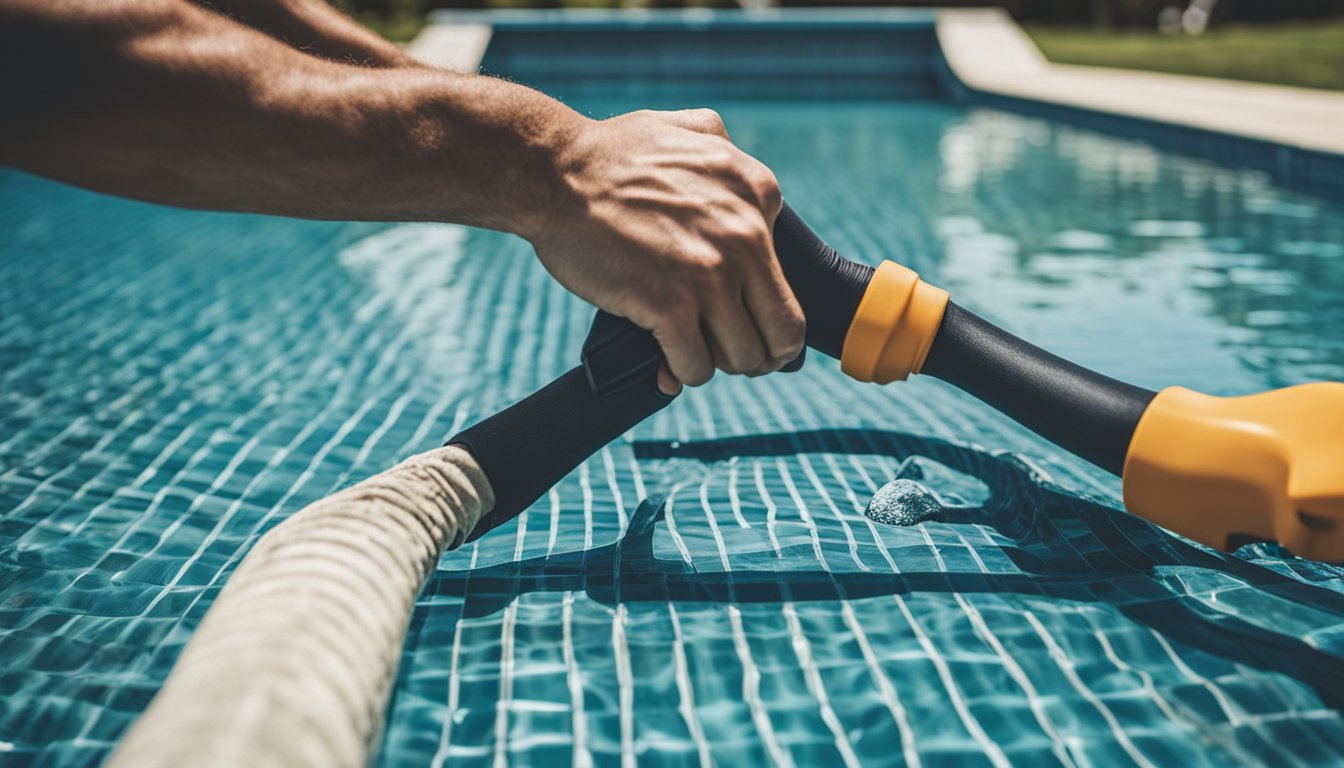
Replacing an inground pool liner involves several key steps. You’ll need to drain the pool, take out the old liner, and put in the new one. Each part of the process is important to get right.
Draining the Pool
To start replacing your pool liner, you must first empty all the water. Use a submersible pump to remove most of the water.
As the level drops, clean the walls and floor. This helps you spot any damage that needs fixing before the new liner goes in.
Once the pool is empty, give it a final scrub. Remove any leftover dirt or grime. A clean surface helps the new liner stick better and last longer.
Removing the Old Liner
Now it’s time to take out the old liner. Start at the top edges and carefully pull it away from the walls.
You might need special tools to remove the liner from the tracks. Work slowly to avoid damaging the pool structure.
As you remove the liner, check for any cracks or weak spots in the pool shell. Fix these issues before putting in the new liner. Small repairs now can prevent big problems later.
Installing the New Liner
Before you install the new liner, make sure it’s the right size and shape for your pool. Lay it out in the sun to warm up and become more flexible.
Start at one end of the pool and secure the liner to the track. Smooth out wrinkles as you go. A shop vac can help suck out air pockets.
Once the liner is in place, slowly add water. The weight of the water will help push the liner into its final shape. Keep an eye out for any folds or wrinkles as the pool fills.
Maintaining Your New Liner
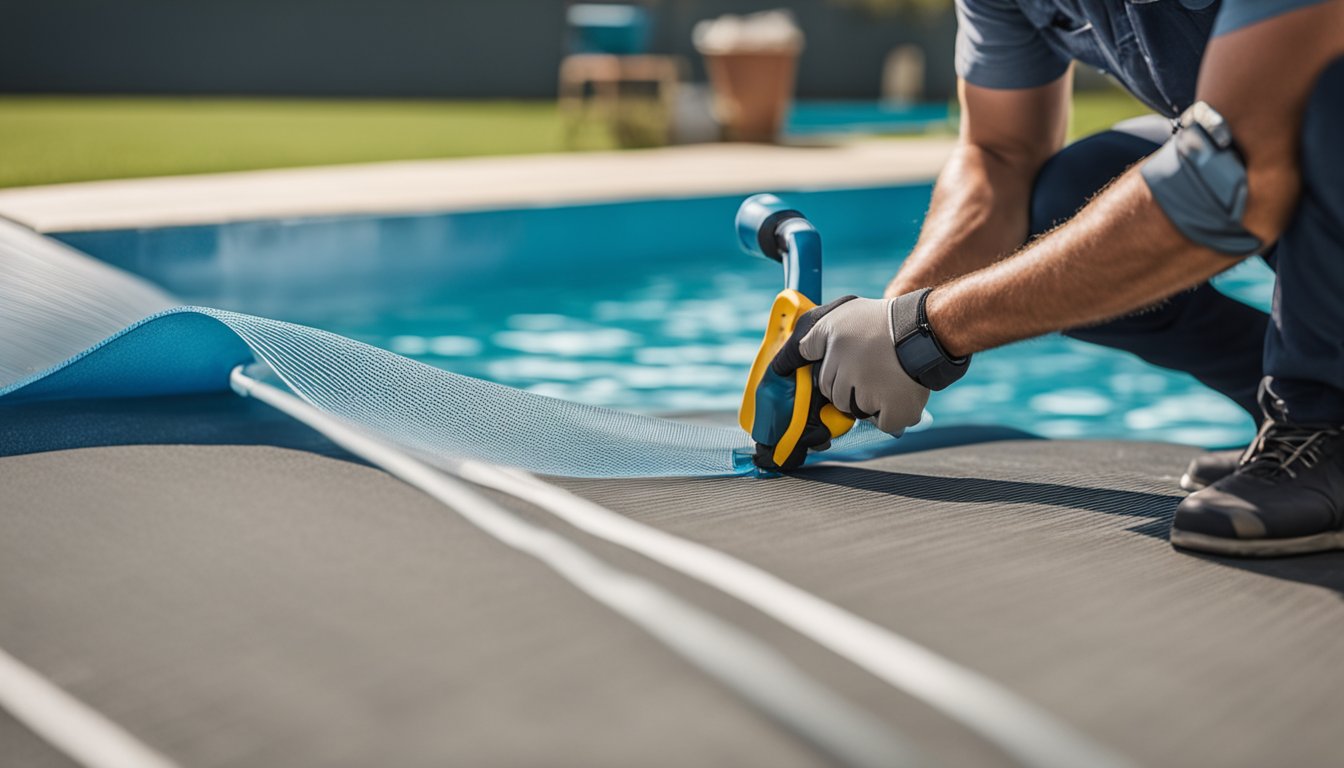
Taking good care of your new pool liner helps it last longer and keeps your pool looking great. Here are some key tips to maintain your liner and keep it in top shape.
Water Chemistry
Keeping your pool water balanced is crucial for your new liner. Test the water often and adjust the levels as needed. Aim for a pH between 7.2 and 7.6. The right chlorine level is between 1 and 3 parts per million.
Too much chlorine can fade your liner. Not enough can lead to algae growth. Both extremes can damage the liner material.
Check alkalinity and calcium hardness too. The right levels prevent scaling and staining. Proper water balance helps your liner last up to 20 years.
Regular Maintenance Tips
Clean your liner gently to avoid scratches. Use a soft brush or sponge. Avoid rough scrubbers or harsh chemicals.
Keep the water level right. Too low can dry out and damage the liner.
Watch for sharp objects. Remove any that could puncture the liner.
Use a pool cover when the pool isn’t in use. This protects from debris and sun damage.
Check for leaks often. Small tears can get bigger fast. Fix any issues quickly to prevent water damage.
Vacuum and skim regularly. This keeps dirt from staining your new liner.
Enhancing Pool Experience
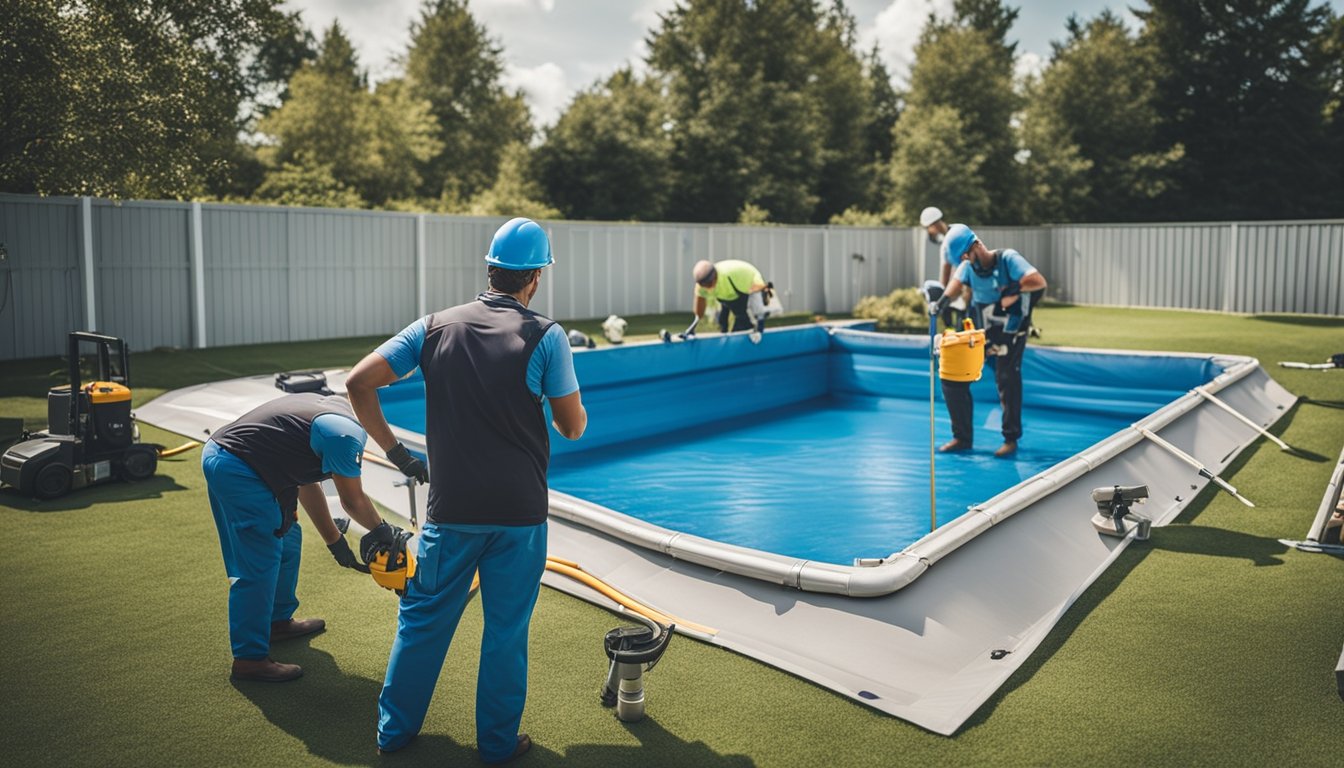
Replacing your pool liner offers a great chance to upgrade your swimming area. New features can make your pool safer and more fun to use.
Adding Water Features
Water features can turn your pool into an oasis. A waterfall adds a soothing sound and looks beautiful. You might pick a rock waterfall or a sleek wall of water.
Fountains are another popular choice. They come in many styles. Some spray up from the pool floor. Others shoot water from the sides.
LED lights can make water features glow at night. This creates a magical atmosphere for evening swims. You can even get lights that change color.
Don’t forget about jets. They can give you a relaxing massage or create fun currents to swim against.
Upgrading Safety and Aesthetics
Safety should be your top priority when upgrading your pool. A new safety cover keeps kids and pets from falling in. It also keeps out leaves and debris.
Non-slip tiles around the pool edge reduce accidents. You can pick colors that match your new liner.
Updated pool steps improve both safety and looks. Wide, textured steps are easier to climb. You can add LED lights to make them visible at night.
For visual appeal, consider a patterned liner. It can make your pool look like it has a tile or mosaic floor. Some patterns even create a 3D effect.
New coping, the material that caps the pool wall, can give your pool a fresh look. You might choose stone for a natural feel or colored concrete for a modern touch.
Frequently Asked Questions
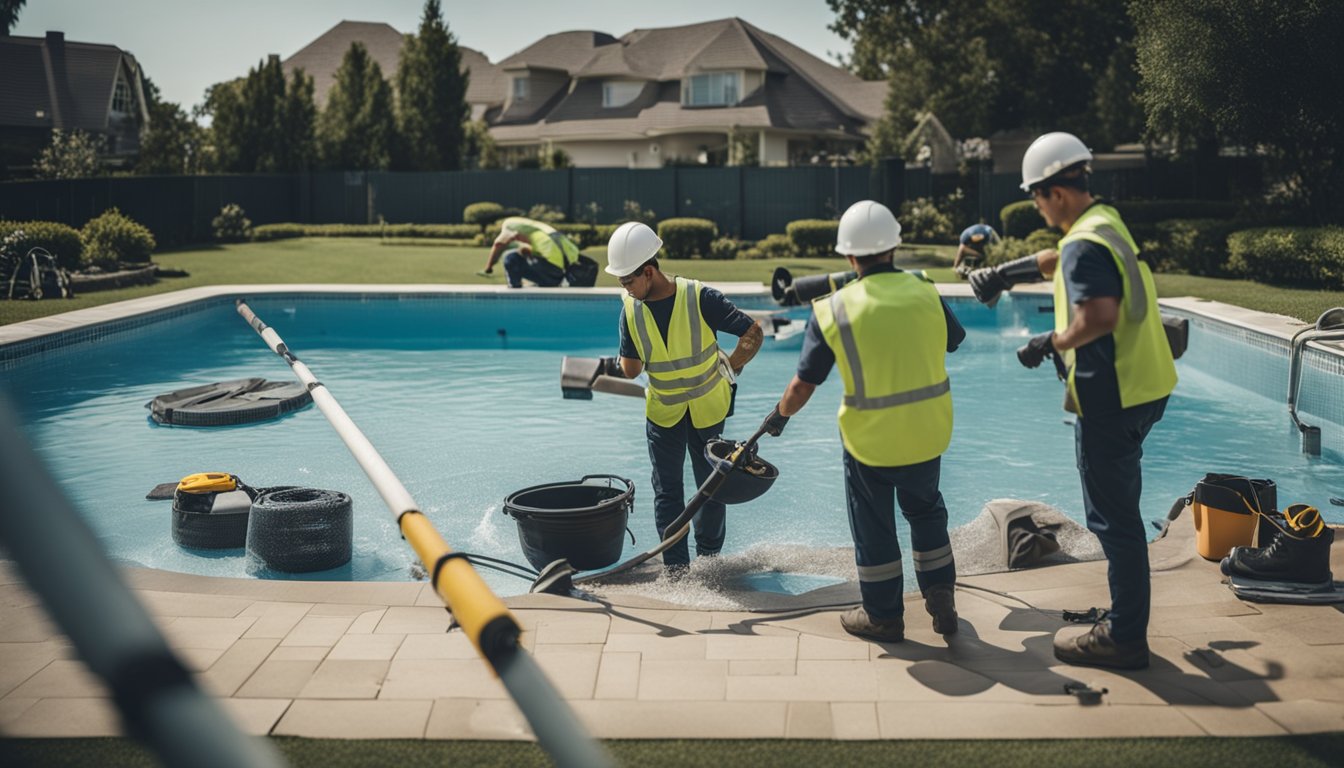
Replacing an inground pool liner involves several important considerations. Here are some common questions about the process, costs, and best practices.
What is the average cost to replace an inground pool liner?
The cost to replace an inground pool liner typically ranges from $3,000 to $5,000. This price can vary based on pool size and shape.
Can I replace my inground pool liner myself?
You can replace your inground pool liner yourself, but it’s a challenging task. It requires careful measurements, proper tools, and patience. DIY replacement can save money but may risk improper installation.
How often do inground pool liners need to be replaced?
Inground pool liners usually last 7-10 years. The lifespan depends on factors like water chemistry, sun exposure, and usage. Regular maintenance can help extend your liner’s life.
What factors affect the cost of inground pool liner replacement?
Several factors influence the cost:
- Pool size and shape
- Liner thickness
- Pattern or design
- Labor costs
- Additional repairs needed
Where can I find professional services for inground pool liner replacement?
You can find professional services through:
- Local pool supply stores
- Online directories
- Recommendations from other pool owners
What should I consider when choosing the best inground pool liner replacement?
When selecting a new liner, think about:
- Material quality
- Thickness options
- Color and pattern choices
- Warranty coverage
- Installation requirements
Choose a liner that fits your budget and meets your pool’s specific needs.